
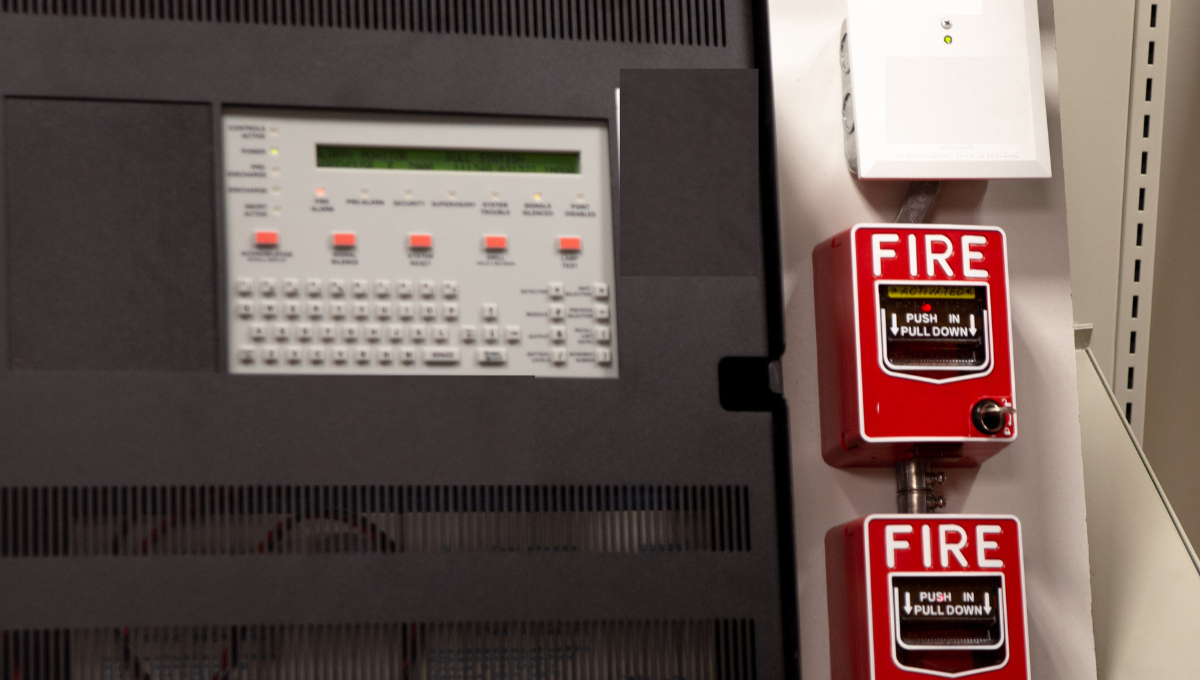
Fire Alarm Control Panel: Types, Features and How to Choose One
Compare conventional vs addressable fire alarm control panels for Hosur facilities. Features, IS 2189 standards & expert guidance from Technique Engineers.
A fire alarm control panel is the single most important decision in your entire detection system - get the wrong one, and even good detectors and wiring won't save you from slow response times or missed alarms. This guide breaks down the two main types of fire alarm control panels, the features that actually matter, and how to choose the right one for a factory, warehouse, hospital, or commercial building in Hosur, based on IS 2189 requirements and real installation experience.
The Problem: Most Facilities Don't Think About the Panel Until Something Goes Wrong
When people plan a fire alarm system, they usually focus on detectors, sounders, and coverage - and treat the control panel as an afterthought, almost like a box that just needs to exist. That's a mistake. The panel is what interprets every signal, decides how to respond, and tells your team where a fire actually is. A poorly chosen panel can mean the difference between knowing exactly which floor triggered an alarm and sending your team to search an entire building floor by floor while smoke spreads.
Under IS 2189, the Indian standard for fire detection and alarm systems, a building's detectors and manual call points are grouped into zones, and if any device in a zone triggers, the panel indicates which zone is in alarm - but how precisely it does that, and how much information it gives your team, depends entirely on which type of panel you've installed.
The Solution: Understanding What a Fire Alarm Control Panel Actually Does
At its core, a fire alarm control panel is the central processing point of your entire detection system. Every detector, call point, and sounder connects back to it, and the panel's job is to receive those signals, work out what's happening, and trigger the right response - whether that's a local alarm, a full-building evacuation signal, or a notification to a monitoring service.
Core Functions of a Fire Alarm Control Panel
|
Function |
What It Does |
|
Signal Monitoring |
Continuously receives input from every connected detector and call point |
|
Zone/Device Identification |
Shows which zone (or exact device) triggered the alarm |
|
Alarm Activation |
Triggers sounders, strobes, and evacuation signals |
|
Fault Detection |
Flags wiring faults, low battery, or device failures before they become a problem |
|
System Integration |
Connects with suppression systems, PA/voice evacuation, and building management systems |
Conventional vs Intelligent Addressable Fire Alarm Control Panels
This is the core decision, and it comes down almost entirely to how precisely you need to know where a fire is.
Conventional panels divide a building into wired zones, and when any detector in a zone activates, the panel tells you the zone - not the specific device. IS 2189 limits conventional zones to a maximum floor area of 2,000 square metres and a search distance of no more than 30 metres, which gives you a sense of how localized a "zone" is meant to be even on a conventional setup. Indian code also suggests no more than about 20 detectors per conventional zone, so a facility manager searching a zone still has a manageable area to check, not an entire building.
Intelligent addressable panels go a step further - every device on the loop has its own address, so the panel identifies the exact detector that triggered, not just the zone. For larger factories, multi-building sites, or facilities where minutes genuinely matter, this precision removes the guesswork entirely.
Quick Comparison
|
Factor |
Conventional Panel |
Addressable Panel |
|
Fault Location |
Zone-level only |
Exact device |
|
Best For |
Smaller, single-floor facilities |
Large, multi-floor or multi-building sites |
|
Wiring Complexity |
Simpler, but harder to expand later |
More flexible loop wiring, easier to expand |
|
Upfront Cost |
Lower |
Higher |
|
Long-Term Scalability |
Limited - often needs rewiring to expand |
Devices can usually be added to existing loops |
Features That Actually Matter When Choosing a Panel
Not every feature on a spec sheet matters equally. Based on what tends to cause real problems on-site, here's what to actually prioritize:
- Zone or device capacity that matches your facility's real size - not just what fits your current layout, but what you'll need in 3-5 years if you expand
- Supervised wiring support - both NFPA 72 and IS 2189 call for supervised Class A or B wiring, which means the panel can detect a wiring fault before it causes a total loss of coverage in that zone
- Integration capability - can the panel talk to your suppression system, PA/voice evacuation, or building management software, or does it operate in isolation?
- Battery backup duration - a panel that loses power during exactly the kind of electrical fault that causes fires isn't much use
- Certification and approval - panels should carry ISI marking or local fire authority approval, not just a manufacturer's claim of compliance
Where the Right Panel Choice Matters Most
Certain facility types genuinely need to think harder about panel selection than others:
- Multi-storey commercial buildings - zone-level information often isn't precise enough once you're dealing with several floors
- Manufacturing plants and warehouses - dust, vibration, and equipment interference can cause more false triggers, so panel quality and fault detection matter more here
- Hospitals - evacuation decisions can't wait for someone to manually search a zone, so addressable panels are almost always the right call
- Educational institutions - large campuses with multiple buildings usually need networked panels that communicate across buildings, not standalone units
Why Facilities in Hosur Work with Technique Engineers
Technique Engineers supplies and configures fire alarm control panels as part of complete detection system installations across Hosur and the Krishnagiri industrial belt, matching panel selection to the actual size and risk profile of each facility rather than defaulting to whatever's cheapest or easiest to install. Every panel we specify is chosen against IS 2189 zoning and wiring requirements, and we handle the full picture — panel, detectors, wiring, and ongoing AMC - so you're not left managing mismatched components from different suppliers.
If you'd like the fuller picture of how a control panel fits into a complete detection setup, our guide to fire alarm systems in Hosur covers the broader system, while this post focuses specifically on the panel itself.
Frequently Asked Questions
- Can I mix a conventional panel with addressable detectors, or do they need to match?
No, they need to match - a conventional panel can't interpret the addressable signal from addressable detectors, and vice versa. If you're upgrading an existing conventional system, you'll need to replace the panel itself if you want to move to addressable detection, not just swap out the detectors.
- How many zones or devices should I plan for if my facility might expand?
As a rough guide, it's worth sizing the panel for at least 20-30% more capacity than your current layout needs. Rewiring or replacing a panel later because you undersized it initially usually costs more than paying slightly more upfront for extra capacity.
- Does the panel need to be monitored by a security company, or can our own staff manage it?
That depends on your facility and local requirements. IS 2189 recommends that the panel itself be placed in a constantly manned location, typically a ground floor reception or security control room, so at minimum you need someone on-site who can respond immediately. Third-party monitoring is an added layer, useful outside working hours, but it doesn't replace having your own trained staff who know how to respond when the panel triggers.
- What happens if a fault shows on the panel but there's no visible fire?
Don't ignore it. A fault indication usually means a wiring issue, a failing detector, or a battery problem - not a false alarm to dismiss. Left unaddressed, faults can eventually blind that zone or device entirely, which means the one time you actually need it, it won't work. Get it checked promptly, ideally as part of a regular AMC visit rather than waiting for it to become urgent.
- Is it worth upgrading an old conventional panel to addressable, or should I just replace detectors?
If your facility has grown since the original installation, or if you're spending too much time manually searching zones during false alarms, it's usually worth the upgrade. That said, every site is different - the honest answer is that a proper site assessment will tell you whether an upgrade makes sense or whether your current conventional setup is still doing its job fine.
Technique Engineers designs, supplies and installs fire alarm control panels, detection systems, and complete fire protection solutions for industrial and commercial facilities across Hosur and Krishnagiri. Contact us for a fire alarm control panel assessment for your facility.


